Richfield (435) 896-6497
Ephraim (435) 283-4076

Like us on facebook
Follow us on twitter
Review us on google

Blog

Risk Factors for Bunions

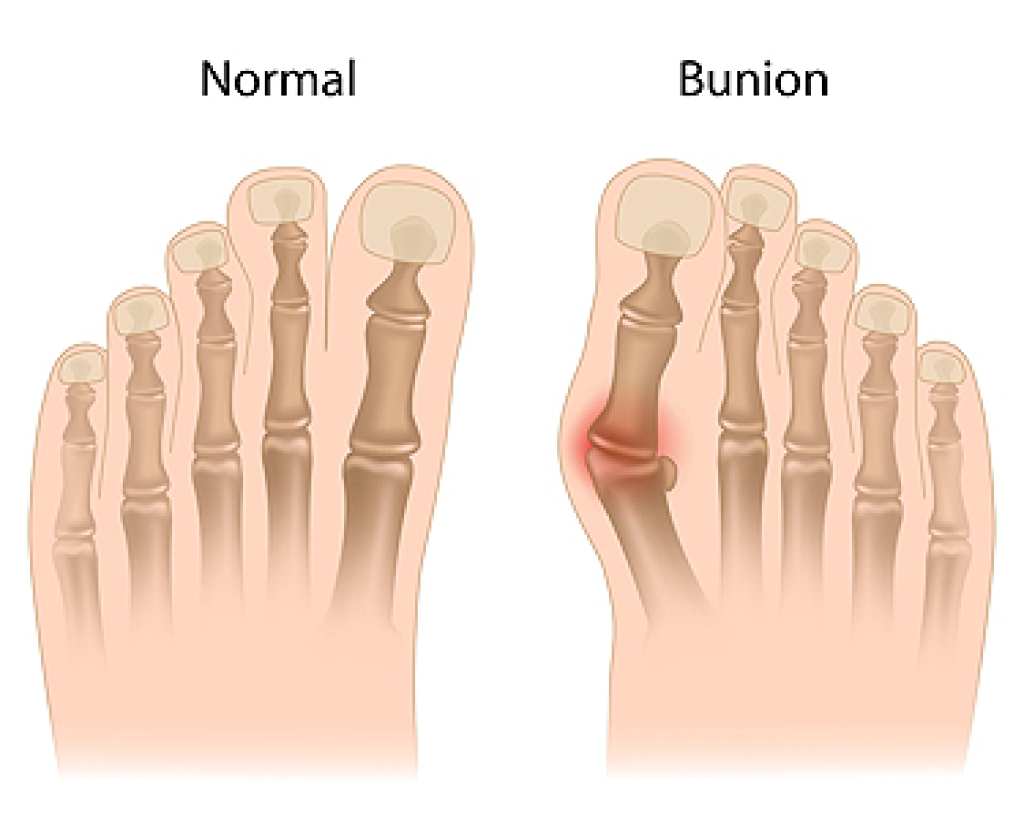
Bunions, also called hallux valgus, develop when the big toe drifts toward the second toe and the joint at its base sticks out. The primary risk factor for bunions is inherited foot structure, particularly a misaligned metatarsophalangeal, or MTP joint. People with flat feet, excessive pronation, or loose-joint mobility place uneven pressure across the forefoot, increasing the likelihood of progression. Arthritis, prior foot injuries, and certain neuromuscular conditions can also weaken joint stability and contribute to deformity. Although tight or high-heeled shoes do not directly cause bunions, they commonly aggravate symptoms and speed irritation in people already predisposed.  A podiatrist evaluates alignment, orders imaging, and provides medical treatment options to reduce pain, limit deformity progression, and improve walking function. If you have foot problems associated with bunions, it is suggested that you make an appointment with a podiatrist for an exam, diagnosis, and ongoing treatment.

If you are suffering from bunion pain, contact Dr. Blake Zobell of Utah. Our doctor can provide the care you need to keep you pain-free and on your feet.

What Is a Bunion?

Bunions are painful bony bumps that usually develop on the inside of the foot at the joint of the big toe. As the deformity increases over time, it may become painful to walk and wear shoes. Women are more likely to exacerbate existing bunions since they often wear tight, narrow shoes that shift their toes together. Bunion pain can be relieved by wearing wider shoes with enough room for the toes.

Causes

  • Genetics – some people inherit feet that are more prone to bunion development
  • Inflammatory Conditions - rheumatoid arthritis and polio may cause bunion development

Symptoms

  • Redness and inflammation
  • Pain and tenderness
  • Callus or corns on the bump
  • Restricted motion in the big toe

In order to diagnose your bunion, your podiatrist may ask about your medical history, symptoms, and general health. Your doctor might also order an x-ray to take a closer look at your feet. Nonsurgical treatment options include orthotics, padding, icing, changes in footwear, and medication. If nonsurgical treatments don’t alleviate your bunion pain, surgery may be necessary.

If you have any questions, please feel free to contact one of our offices located in Richfield and Ephraim, Utah . We offer the newest diagnostic and treatment technologies for all your foot care needs.
Read more about What Are Bunions?

Ankle Arthritis Causes and Symptoms

Ankle arthritis is a condition defined by inflammation and degeneration of the ankle joint, leading to pain and reduced mobility. It commonly develops from wear and tear, previous injuries, or excess stress placed on the joint. Symptoms include swelling, stiffness, cracking or grinding sensations, and pain that may worsen with activity. As the condition progresses with time, joint movement can become more limited, and daily activities may feel increasingly difficult. Being overweight can increase pressure on the ankle joint and accelerate joint breakdown. A podiatrist can evaluate ankle arthritis, confirm a diagnosis, and recommend treatments to reduce pain, improve function, and slow progression. If you have symptoms of ankle  arthritis, it is suggested that you consult a podiatrist who can offer you effective relief and management tips.

Arthritis can be a difficult condition to live with. If you are seeking treatment, contact Dr. Blake Zobell from Utah. Our doctor can provide the care you need to keep you pain-free and on your feet.

Arthritic Foot Care  

Arthritis is a joint disorder that involves the inflammation of different joints in your body, such as those in your feet. Arthritis is often caused by a degenerative joint disease and causes mild to severe pain in all affected areas. In addition to this, swelling and stiffness in the affected joints can also be a common symptom of arthritis.

In many cases, wearing ill-fitting shoes can worsen the effects and pain of arthritis. Wearing shoes that have a lower heel and extra room can help your feet feel more comfortable. In cases of rheumatoid arthritis, the arch in your foot may become problematic. Buying shoes with proper arch support that contour to your feet can help immensely.

Alleviating Arthritic Pain

  • Exercises that stretch the foot can prevent further pain and injury and increase mobility
  • Most of the pain can be alleviated with anti-inflammatory drugs, heat, and topical medications
  • Massages can help temporarily alleviate pain.

It is best to see your doctor for the treatment that is right for your needs and symptoms. Conditions vary, and a podiatrist can help you determine the right method of care for your feet.

If you have any questions please feel free to contact one of our offices located in Richfield and Ephraim, Utah . We offer the newest diagnostic tools and technology to treat your foot and ankle needs.

Read more about How to Care for Your Arthritic Foot

Are You Suffering From Ingrown Toenails?

If left untreated, an ingrown toenail can lead to more serious concerns, such as an infection. Knowing proper nail care can help in the prevention of an ingrown toenail. Give us a call, and get treated!

Connect with us