Richfield (435) 896-6497
Ephraim (435) 283-4076

Like us on facebook
Follow us on twitter
Review us on google

Blog

Formation and Treatment of Ingrown Toenails

Ingrown toenails form when the edge of a toenail grows into the surrounding skin, often affecting the big toe. This can occur from improper nail trimming, pressure from footwear, toe deformities, or trauma. As the nail penetrates the skin, inflammation may develop, leading to redness, swelling, tenderness, and drainage. If left untreated, ingrown toenails can become infected and painful, interfering with walking, work, and other activities. A podiatrist can evaluate the affected toe and identify contributing factors, such as gait mechanics or structural issues of the foot. Treatment includes relieving pressure, addressing infection, correcting nail growth patterns, or performing a minor in office procedure to remove the problematic nail portion. If you have pain from an ingrown toenail, it is suggested that you make an appointment with a podiatrist for an exam, diagnosis, and treatment.

Ingrown toenails can become painful if they are not treated properly. For more information about ingrown toenails, contact Dr. Blake Zobell of Utah. Our doctor can provide the care you need to keep you pain-free and on your feet.

Ingrown Toenails

Ingrown toenails occur when a toenail grows sideways into the bed of the nail, causing pain, swelling, and possibly infection.

Causes

  • Bacterial infections
  • Improper nail cutting such as cutting it too short or not straight across
  • Trauma to the toe, such as stubbing, which causes the nail to grow back irregularly
  • Ill-fitting shoes that bunch the toes too close together
  • Genetic predisposition

Prevention

Wearing proper fitting shoes and using proper cutting techniques will also help decrease your risk of developing ingrown toenails.

Treatment

Ingrown toenails are a very treatable foot condition. In minor cases, soaking the affected area in salt or antibacterial soaps will not only help with the ingrown nail itself, but also help prevent any infections from occurring. In more severe cases, surgery is an option. In either case, speaking to your podiatrist about this condition will help you get a better understanding of specific treatment options that are right for you.

If you have any questions, please feel free to contact one of our offices located in Richfield and Ephraim, Utah . We offer the newest diagnostic and treatment technologies for all your foot care needs.


Read more about Ingrown Toenails

Achilles Tendinitis and Ongoing Heel Pain

Achilles tendinitis affects the strong tendon that connects the calf muscles to the heel bone. It often develops from repetitive strain, sudden increases in activity, tight calf muscles, or improper footwear. Pain is usually felt along the back of the ankle or heel and may be worse in the morning or after exercise. Swelling, stiffness, and tenderness are also common symptoms. Treatment focuses on reducing strain and supporting healing. This may include rest, stretching exercises, activity modification, and supportive shoes or orthotics. In some cases, targeted exercises or imaging may be needed to evaluate tendon health. Early care helps prevent progression, reduce pain, and support a safe return to walking and daily activities. If you have pain in your heel or the back of your ankle, it is suggested that you make an appointment with a podiatrist who can determine the severity of the condition and guide an appropriate treatment plan. 

Achilles tendon injuries need immediate attention to avoid future complications. If you have any concerns, contact Dr. Blake Zobell of Utah. Our doctor can provide the care you need to keep you pain-free and on your feet.

What Is the Achilles Tendon?

The Achilles tendon is a tendon that connects the lower leg muscles and calf to the heel of the foot. It is the strongest tendon in the human body and is essential for making movement possible. Because this tendon is such an integral part of the body, any injuries to it can create immense difficulties and should immediately be presented to a doctor.

What Are the Symptoms of an Achilles Tendon Injury?

There are various types of injuries that can affect the Achilles tendon. The two most common injuries are Achilles tendinitis and ruptures of the tendon.

Achilles Tendinitis Symptoms

  • Inflammation
  • Dull to severe pain
  • Increased blood flow to the tendon
  • Thickening of the tendon

Rupture Symptoms

  • Extreme pain and swelling in the foot
  • Total immobility

Treatment and Prevention

Achilles tendon injuries are diagnosed by a thorough physical evaluation, which can include an MRI. Treatment involves rest, physical therapy, and in some cases, surgery. However, various preventative measures can be taken to avoid these injuries, such as:

  • Thorough stretching of the tendon before and after exercise
  • Strengthening exercises like calf raises, squats, leg curls, leg extensions, leg raises, lunges, and leg presses

If you have any questions please feel free to contact one of our offices located in Richfield and Ephraim, Utah . We offer the newest diagnostic tools and technology to treat your foot and ankle needs.

Read more about What are Achilles Tendon Injuries

Pickleball and Ankle Pain

Pickleball is a fast-paced sport that places repeated stress on the ankles through quick direction changes, sudden stops, and lateral movements. Hurt ankles often result from ligament strain, overuse, or improper foot positioning during play. Risk factors include inadequate warm-up, poor balance, uneven court surfaces, and wearing shoes without proper support or traction. Previous ankle injuries and weak stabilizing muscles can also increase the chance of pain or sprain. A podiatrist can assess ankle stability, identify biomechanical issues, recommend supportive footwear or custom orthotics, and create a treatment plan to reduce inflammation and promote healing. If ankle pain is limiting your pickleball performance or daily activity, it is suggested that you consult a podiatrist to restore strength, prevent future injury, and keep you confidently on the court.

Ankle pain can be caused by a number of problems and may be potentially serious. If you have ankle pain, consult with Dr. Blake Zobell from Utah. Our doctor will assess your condition and provide you with quality foot and ankle treatment.

Ankle pain is any condition that causes pain in the ankle. Due to the fact that the ankle consists of tendons, muscles, bones, and ligaments, ankle pain can come from a number of different conditions.

Causes

The most common causes of ankle pain include:

  • Types of arthritis (rheumatoid, osteoarthritis, and gout)
  • Ankle sprains
  • Broken ankles
  • Achilles tendonitis
  • Achilles tendon rupture
  • Stress fractures
  • Bursitis
  • Tarsal tunnel syndrome
  • Plantar fasciitis

Symptoms

Symptoms of ankle injury vary based upon the condition. Pain may include general pain and discomfort, swelling, aching, redness, bruising, burning or stabbing sensations, and/or loss of sensation.

Diagnosis

Due to the wide variety of potential causes of ankle pain, podiatrists will utilize a number of different methods to properly diagnose ankle pain. This can include asking for personal and family medical histories and of any recent injuries. Further diagnosis may include sensation tests, a physical examination, and potentially x-rays or other imaging tests.

Treatment

Just as the range of causes varies widely, so do treatments. Some more common treatments are rest, ice packs, keeping pressure off the foot, orthotics and braces, medication for inflammation and pain, and surgery.

If you have any questions please feel free to contact one of our offices located in Richfield and Ephraim, Utah . We offer the newest diagnostic tools and technology to treat your foot and ankle needs.

Read more about Ankle Pain

Psoriatic Arthritis and Its Effects on the Feet

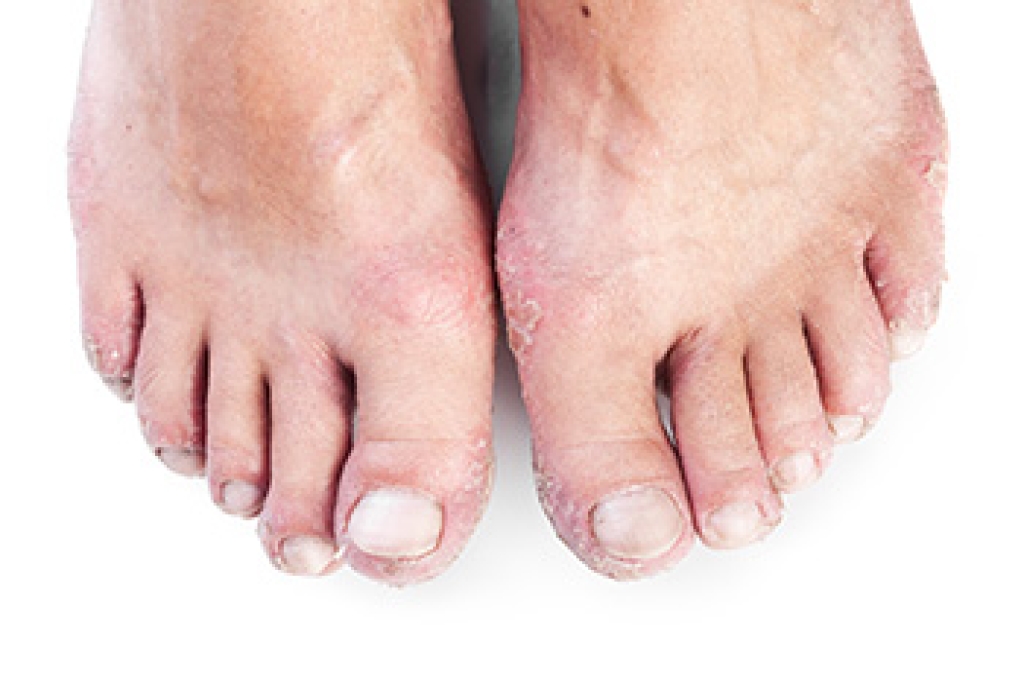
Psoriatic arthritis is an inflammatory condition linked to psoriasis, which can affect the feet in multiple ways because both joints and soft tissues become involved. Many people notice stiffness in the toes or mid-foot, along with swelling that makes shoes feel tighter than usual. The condition can also inflame the tendons, especially around the heel or along the top of the foot, creating soreness during walking or climbing stairs. Some individuals develop dactylitis, where an entire toe becomes swollen and tender, giving it a sausage-like appearance. Skin plaques related to psoriasis may also appear on the feet and add to irritation. Because symptoms can fluctuate and progress over time, early evaluation helps determine which areas need the most support. A podiatrist can assess joint alignment, recommend footwear, provide inserts, and offer treatments that reduce inflammation. If foot symptoms from psoriatic arthritis are affecting daily activities, it is suggested that you see a podiatrist for effective relief tips.

When dealing with systemic disease of the feet, it is extremely important to check the affected areas routinely so that any additional problems are caught quickly.  If you have any concerns about your feet and ankles contact Dr. Blake Zobell from Utah. Our doctor will assist you with all of your podiatric needs.

Systemic Diseases of the Feet

Systemic diseases affect the whole body, and symptoms usually are displayed in the feet. This condition can make a patient’s ability to walk unbearable.  Systemic diseases include gout, diabetes mellitus, neurological disorders, and arthritis.

Gout – is caused by an excess of uric acid in the body. Common symptoms include pain, inflammation, and redness at the metatarsal/phalangeal joint of the base big toe. Gout can be treated by NSAIDs to relieve pain and inflammation, and other drugs that lower the acid levels in the body.

Diabetes mellitus – is an increase in the level of blood sugar that the body cannot counteract with its own insulin. Failure to produce enough insulin is a factor in Diabetes.

Diabetes of the Feet

Diabetic Neuropathy – may lead to damaged nerves and affect the feet through numbness and loss of sensation.

Peripheral Vascular Disease – can restrict the blood flow to the feet, and often times lead to amputation of the feet. 

If you have any questions please contact one of our offices located in Richfield and Ephraim, Utah . We offer the newest diagnostic and treatment technologies for all your foot and ankle needs.

Read more about Systemic Diseases of the Foot

Why Live with Pain and Numbness in Your Feet?

Suffering from this type of pain? You may have the foot condition known as Morton's neuroma. Morton's neuroma may develop as a result of ill-fitting footwear and existing foot deformities. We can help.

Connect with us