Richfield (435) 896-6497
Ephraim (435) 283-4076

Like us on facebook
Follow us on twitter
Review us on google

Blog

Causes of Foot Arch Pain

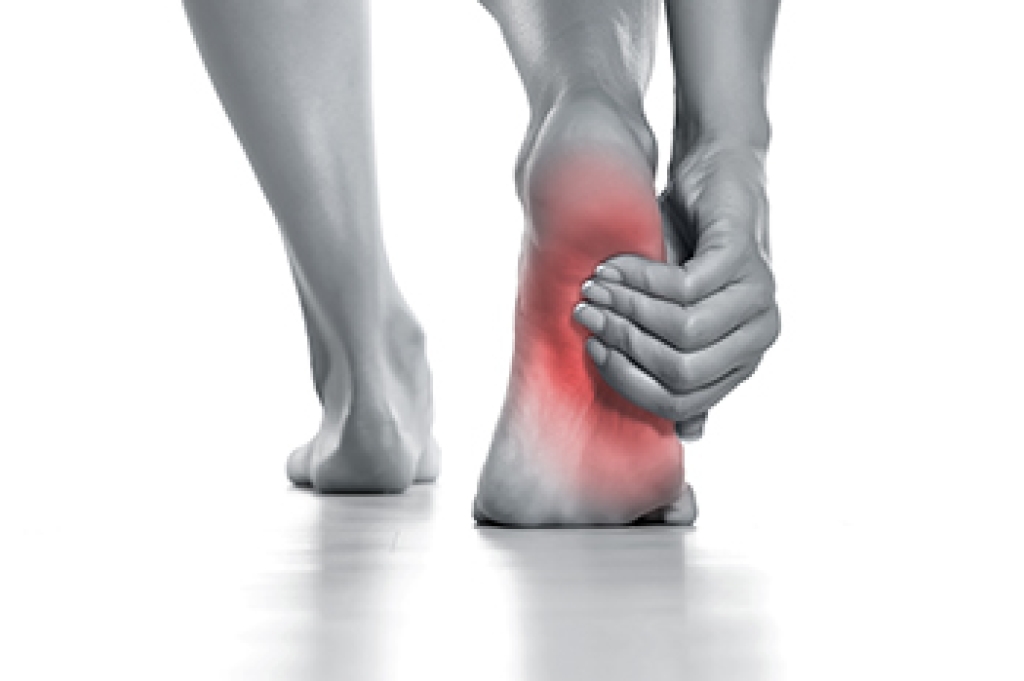
Pain in the arch of the foot can develop for several reasons, related to structure, strain, or injury. The arch is a curved area on the bottom of the foot that helps support body weight and absorb shock when walking. A frequent cause of pain in the arches is plantar fasciitis. This condition involves inflammation of a thick band of tissue that connects the heel to the toes. Flat feet or very high arches can also change how weight is distributed, placing extra stress on the arch. Overuse from prolonged standing, walking, or sports can strain muscles and ligaments. Injuries like sprains or small fractures may also lead to arch pain. A podiatrist can perform an exam and order imaging to confirm the cause. They also can provide orthotics, bracing, or suggested exercises to reduce strain and improve function. If you are experiencing foot arch pain, it is suggested that you make an appointment with a podiatrist for help.

Foot Pain

Foot pain can be extremely painful and debilitating. If you have a foot pain, consult with Dr. Blake Zobell from Utah. Our doctor will assess your condition and provide you with quality foot and ankle treatment.

Causes

Foot pain is a very broad condition that could be caused by one or more ailments. The most common include:

  • Bunions
  • Hammertoes
  • Plantar Fasciitis
  • Bone Spurs
  • Corns
  • Tarsal Tunnel Syndrome
  • Ingrown Toenails
  • Arthritis (such as Gout, Rheumatoid, and Osteoarthritis)
  • Flat Feet
  • Injury (from stress fractures, broken toe, foot, ankle, Achilles tendon ruptures, and sprains)
  • And more

Diagnosis

To figure out the cause of foot pain, podiatrists utilize several different methods. This can range from simple visual inspections and sensation tests to X-rays and MRI scans. Prior medical history, family medical history, and any recent physical traumatic events will all be taken into consideration for a proper diagnosis.

Treatment

Treatment depends upon the cause of the foot pain. Whether it is resting, staying off the foot, or having surgery; podiatrists have a number of treatment options available for foot pain.

If you have any questions, please feel free to contact one of our offices located in Richfield and Ephraim, Utah . We offer the newest diagnostic and treatment technologies for all your foot care needs.


Read more about Foot Pain

Injuries Common Among Runners

Running places repeated stress on the feet, which can lead to several types of injuries over time. One of the most frequent problems is plantar fasciitis. This condition involves irritation of the thick band of tissue along the bottom of the foot that supports the arch. Runners may also develop Achilles tendonitis, where the tendon connecting the calf to the heel becomes inflamed and painful. Stress fractures are another concern, referring to small cracks in the bone caused by repeated impact. Pain in the ball of the foot can develop from inflammation around the toe joints. A podiatrist can evaluate foot structure, assess gait, and use X-rays or other imaging tests to confirm a diagnosis. Treatment options include custom orthotic devices, bracing, and guidance on improving foot alignment to reduce strain. If you are experiencing foot pain after running, it is suggested that you make an appointment with a podiatrist for treatment.

All runners should take extra precaution when trying to avoid injury. If you have any concerns about your feet, contact Dr. Blake Zobell of Utah. Our doctor will treat your foot and ankle needs.

How to Prevent Running Injuries

There are a lot of mistakes a runner can make prior to a workout that can induce injury. A lot of athletes tend to overstretch before running, instead of saving those workouts for a post-run routine. Deep lunges and hand-to-toe hamstring pulls should be performed after a workout instead of during a warmup. Another common mistake is jumping into an intense routine before your body is physically prepared for it. You should try to ease your way into long-distance running instead of forcing yourself to rush into it.

More Tips for Preventing Injury

  • Incorporate Strength Training into Workouts - This will help improve the body’s overall athleticism
  • Improve and Maintain Your Flexibility – Stretching everyday will help improve overall performance
  • “Warm Up” Before Running and “Cool Down” Afterward – A warm up of 5-10 minutes helps get rid of lactic acid in the muscles and prevents delayed muscle soreness
  • Cross-Training is Crucial
  • Wear Proper Running Shoes
  • Have a Formal Gait Analysis – Poor biomechanics can easily cause injury

If you have any questions, please feel free to contact one of our offices located in Richfield and Ephraim, Utah . We offer the newest diagnostic and treatment technologies for all your foot care needs.

Read more about How to Prevent Running Injuries

Diagnosing and Treating a Broken Foot

A foot fracture is a break in one of the bones in the foot, and can happen from a fall, a sudden twist, or repeated stress over time. Common signs include pain, swelling, bruising, and trouble putting weight on the foot. Some fractures feel mild at first and are mistaken for a sprain, which can delay proper care. Diagnosis usually involves a physical exam and imaging, such as X-rays, to confirm the injury and guide treatment. Many fractures heal with rest, limited weight-bearing, and support from a boot or cast. More serious cases may need realignment or surgery to ensure proper healing. Early care helps prevent long-term pain or deformity. If you have ongoing foot pain after an injury or cannot walk comfortably, it is suggested that you see a podiatrist for a proper diagnosis and appropriate treatment.

A broken foot requires immediate medical attention and treatment. If you need your feet checked, contact Dr. Blake Zobell from Utah. Our doctor can provide the care you need to keep you pain-free and on your feet.

Broken Foot Causes, Symptoms, and Treatment

A broken foot is caused by one of the bones in the foot typically breaking when bended, crushed, or stretched beyond its natural capabilities. Usually the location of the fracture indicates how the break occurred, whether it was through an object, fall, or any other type of injury. 

Common Symptoms of Broken Feet:

  • Bruising
  • Pain
  • Redness
  • Swelling
  • Blue in color
  • Numbness
  • Cold
  • Misshapen
  • Cuts
  • Deformities

Those that suspect they have a broken foot shoot seek urgent medical attention where a medical professional could diagnose the severity.

Treatment for broken bones varies depending on the cause, severity and location. Some will require the use of splints, casts or crutches while others could even involve surgery to repair the broken bones. Personal care includes the use of ice and keeping the foot stabilized and elevated.

If you have any questions, please feel free to contact one of our offices located in Richfield and Ephraim, Utah . We offer the newest diagnostic and treatment technologies for all your foot care needs.

Read more about Causes, Symptoms, and Treatment for a Broken Foot

Are Bunions Affecting Your Everyday Life?

Have you noticed a bony protrusion on the side of your big toe? If so, you may have developed the foot condition known as a bunion. Don't let bunions interfere with your daily activities.

Painful Bone Spurs

Bone spurs are bony growths that develop along the edges of bones, often in the foot or heel. They usually form over time due to repeated stress, inflammation, or pressure on a joint or tendon. In the foot, bone spurs are commonly associated with plantar fasciitis, arthritis, or chronic tendon irritation. Some bone spurs cause no symptoms, while others lead to sharp pain, especially with the first steps in the morning or after long periods of standing. The area may feel tender, and discomfort can increase when wearing certain shoes. Although the spur itself is a bony projection, the pain often comes from surrounding inflammation rather than the bone growth alone. A podiatrist can diagnose bone spurs through examination and imaging studies. Treatment may include supportive footwear, custom orthotics, anti-inflammatory care, and targeted exercises to relieve strain. In more persistent cases, additional procedures may be considered. If you have bone spurs, it is suggested that you make an appointment with a podiatrist for proper evaluation and treatment.

Heel spurs can be incredibly painful and sometimes may make you unable to participate in physical activities. To get medical care for your heel spurs, contact Dr. Blake Zobell from Utah. Our doctor will do everything possible to treat your condition.

Heels Spurs

Heel spurs are formed by calcium deposits on the back of the foot where the heel is. This can also be caused by small fragments of bone breaking off one section of the foot, attaching onto the back of the foot. Heel spurs can also be bone growth on the back of the foot and may grow in the direction of the arch of the foot.

Older individuals usually suffer from heel spurs and pain sometimes intensifies with age. One of the main condition's spurs are related to is plantar fasciitis.

Pain

The pain associated with spurs is often because of weight placed on the feet. When someone is walking, their entire weight is concentrated on the feet. Bone spurs then have the tendency to affect other bones and tissues around the foot. As the pain continues, the feet will become tender and sensitive over time.

Treatments

There are many ways to treat heel spurs. If one is suffering from heel spurs in conjunction with pain, there are several methods for healing. Medication, surgery, and herbal care are some options.

If you have any questions, please feel free to contact one of our offices located in Richfield and Ephraim, Utah . We offer the newest diagnostic and treatment technologies for all your foot care needs.

Read more about How to Treat Heel Spurs
Connect with us