Richfield (435) 896-6497
Ephraim (435) 283-4076

Like us on facebook
Follow us on twitter
Review us on google

Blog

Poor Circulation in the Feet and Why It Matters

Poor circulation in the feet occurs when blood does not flow as efficiently as it should to the lower legs and feet. Healthy circulation is essential because blood delivers oxygen and nutrients that help tissues function properly. When circulation is reduced, the feet may not receive everything they need to stay healthy. Poor circulation is often linked to underlying medical conditions rather than being a problem by itself. Conditions like peripheral artery disease, diabetes, or blood vessel disorders may contribute to reduced blood flow. Because circulation problems can lead to serious complications if left untreated, early evaluation is important. Identifying the cause of poor circulation may help protect foot health and support better long-term mobility.


Symptoms of poor circulation in the feet can develop gradually and may become more noticeable over time. Many people experience cold feet, numbness, or tingling that affects everyday comfort. Others notice swelling or changes in skin color that may indicate reduced blood flow. Some individuals develop slow-healing wounds or pain while walking that improves with rest. Persistent circulation problems may also increase the risk of infections and other foot complications. Since these symptoms may be related to several medical conditions, a professional examination is important to determine the underlying cause. Prompt evaluation can help prevent further damage and support healthier foot function.


A podiatrist plays an important role in identifying foot problems related to poor circulation and monitoring changes that may affect long-term health. During an examination, the podiatrist evaluates circulation, checks the condition of the skin and nails, and looks for signs of tissue damage. Treatment focuses on protecting the feet, managing complications, and coordinating care when underlying medical conditions are involved. Regular podiatry visits may also help detect problems before they become more serious. If you are experiencing cold feet, numbness, or slow-healing wounds, it is suggested that you consult a podiatrist for an evaluation and appropriate treatment options.

While poor circulation itself isn’t a condition; it is a symptom of another underlying health condition you may have. If you have any concerns with poor circulation in your feet contact Dr. Blake Zobell of Utah. Our doctor will treat your foot and ankle needs.

Poor Circulation in the Feet

Peripheral artery disease (PAD) can potentially lead to poor circulation in the lower extremities. PAD is a condition that causes the blood vessels and arteries to narrow. In a linked condition called atherosclerosis, the arteries stiffen up due to a buildup of plaque in the arteries and blood vessels. These two conditions can cause a decrease in the amount of blood that flows to your extremities, therefore resulting in pain.

Symptoms

Some of the most common symptoms of poor circulation are:

  • Numbness
  • Tingling
  • Throbbing or stinging pain in limbs
  • Pain
  • Muscle Cramps

Treatment for poor circulation often depends on the underlying condition that causes it. Methods for treatment may include insulin for diabetes, special exercise programs, surgery for varicose veins, or compression socks for swollen legs.

As always, see a podiatrist as he or she will assist in finding a regimen that suits you. A podiatrist can also prescribe you any needed medication. 

If you have any questions, please feel free to contact one of our offices located in Richfield and Ephraim, Utah . We offer the newest diagnostic and treatment technologies for all your foot care needs.

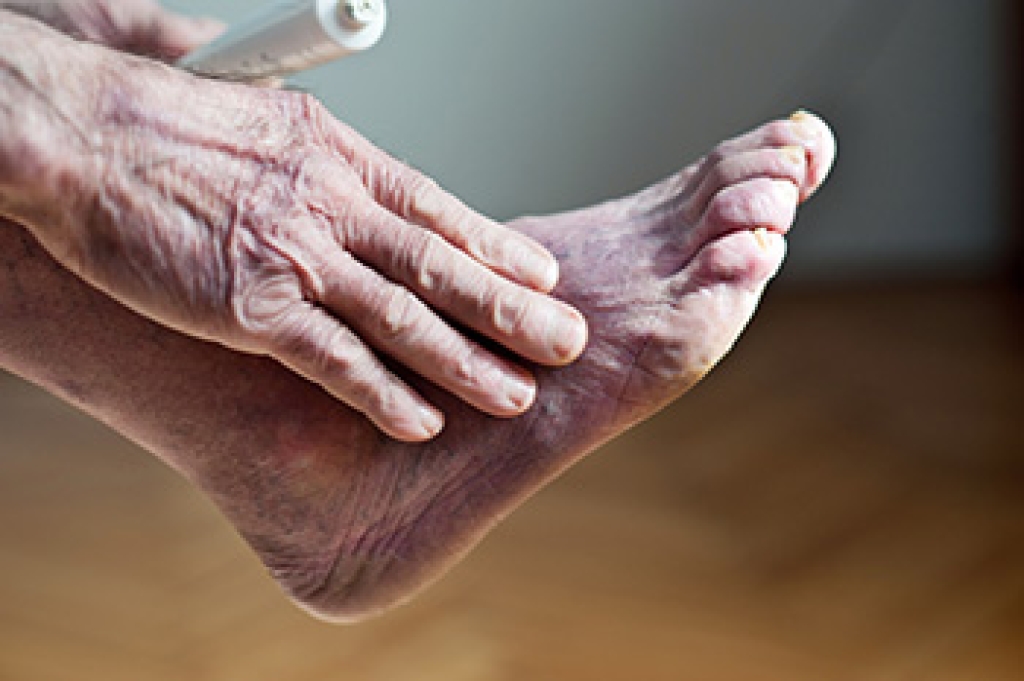
Read more about Causes, Symptoms, and Treatment of Poor Blood Circulation in the Feet

Plantar Warts Can Be Treated!

Plantar warts are small growths that develop on parts of the feet that bear weight. They're typically found on the bottom of the foot. Don't live with plantar warts, and call us today!

Sever's Disease and Heel Pain Relief

Sever’s disease is a common cause of heel pain in growing children, especially those who are active in sports. It is a growth-related condition that affects the heel bone, known as the calcaneus. During periods of rapid growth, bones can lengthen faster than the surrounding muscles and tendons, creating tension at the growth plate. Repetitive stress on this sensitive area can lead to inflammation and discomfort, particularly in children who regularly engage in running and jumping activities.

Symptoms of Sever’s disease typically include heel pain that worsens with physical activity and improves with rest. Children may report tenderness at the back or underside of the heel, along with stiffness and difficulty walking or running comfortably. In some cases, a child may limp or avoid placing full weight on the affected foot. The pain can occur in one or both heels and may vary in severity depending on activity level and intensity.

Several risk factors can increase the likelihood of developing this condition. Participation in high-impact sports such as soccer, basketball, or track places repeated strain on the heel. Rapid growth spurts can further contribute by increasing tension in the muscles and tendons attached to the heel bone. Wearing improper footwear that lacks sufficient support or cushioning can worsen symptoms. Additionally, foot structure, including flat feet or high arches, may lead to uneven pressure distribution and added stress on the growth plate.

Managing Sever’s disease focuses on reducing stress on the heel and promoting proper foot mechanics. Rest, supportive footwear, and stretching exercises can help relieve discomfort and support healing. Early attention is important to prevent prolonged symptoms and allow a safe return to activity. If your active child has heel pain, it is suggested that you consult a podiatrist who can offer effective relief and management tips.

Sever's disease often occurs in children and teens. If your child is experiencing foot or ankle pain, see Dr. Blake Zobell from Utah. Our doctor can treat your child’s foot and ankle needs.

Sever’s Disease

Sever’s disease is also known as calcaneal apophysitis, which is a medical condition that causes heel pain I none or both feet. The disease is known to affect children between the ages of 8 and 14.

Sever’s disease occurs when part of the child’s heel known as the growth plate (calcaneal epiphysis) is attached to the Achilles tendon. This area can suffer injury when the muscles and tendons of the growing foot do not keep pace with bone growth. Therefore, the constant pain which one experiences at the back of the heel will make the child unable to put any weight on the heel. The child is then forced to walk on their toes.

Symptoms

Acute pain – Pain associated with Sever’s disease is usually felt in the heel when the child engages in physical activity such as walking, jumping and or running.

Highly active – Children who are very active are among the most susceptible in experiencing Sever’s disease, because of the stress and tension placed on their feet.

If you have any questions, please feel free to contact one of our offices located in Richfield and Ephraim, Utah . We offer the newest diagnostic and treatment technologies for all your foot care needs.

Read more about Sever's Disease
Connect with us