Richfield (435) 896-6497
Ephraim (435) 283-4076

Like us on facebook
Follow us on twitter
Review us on google

Blog

Podiatric Guidance for a Broken Ankle

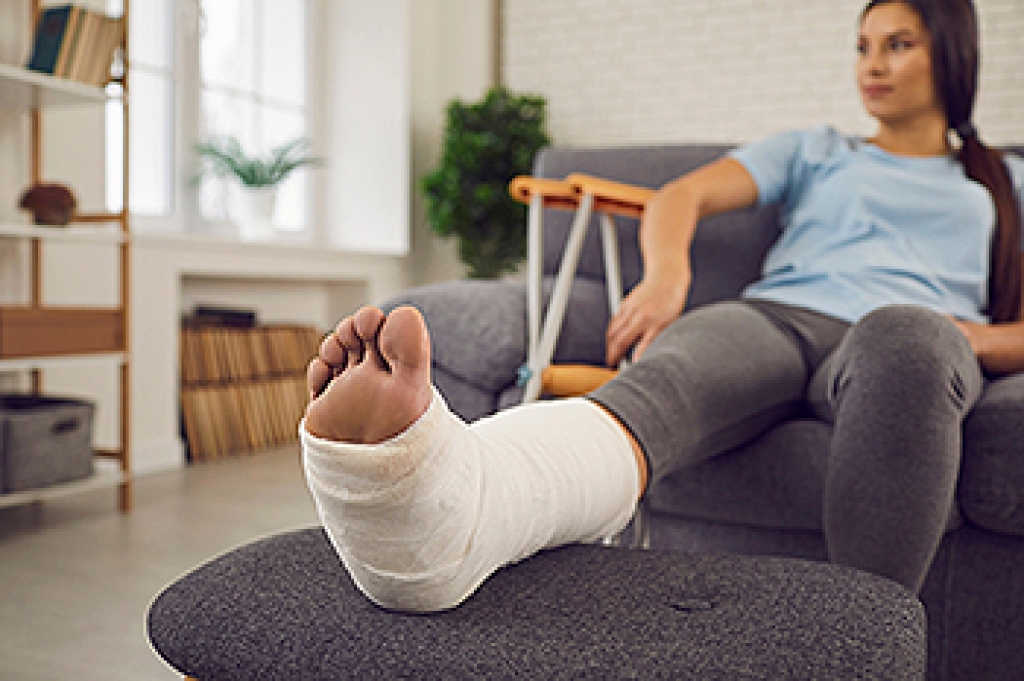
A broken ankle can affect the bones that connect the lower leg to the foot. The three main bones that make up the ankle are the tibia, or shin bone, the fibula, or smaller leg bone, and the talus, which helps connect the leg to the foot. A fracture can happen after a twisting injury, fall, or sudden impact. Pain is usually strong, and swelling and bruising can develop surrounding the ankle. Some patients cannot put weight on the injured foot or move the ankle normally. An ankle that looks out of place needs prompt medical attention. Early evaluation is important because a severe fracture can affect ankle stability and movement.

A podiatrist can examine the ankle and review imaging, such as  X-rays, to understand the location and severity of the break. The type of fracture helps determine the appropriate treatment. A stable fracture can sometimes heal with a protective boot or cast. A more serious or unstable fracture may require surgery to bring the bones back into proper position and help the ankle heal correctly. A podiatrist can also monitor the injury as it heals and check for problems with movement, pain, or swelling. Treatment plans are based on the specific fracture and the condition of the ankle.

Recovery from a broken ankle can take time, especially when more than one bone is injured. Some patients experience stiffness, soreness, or pain after the fracture has healed. An ankle fracture can also affect how the joint moves and can increase the chance of arthritis, which is a condition that causes joint pain and stiffness. A podiatrist can assess healing, monitor changes in movement, and help guide the return to normal activities. Follow-up care can also help identify concerns that could affect the ankle’s function. If you have broken your ankle, it is suggested that you schedule an appointment with a podiatrist for effective relief and treatment solutions. 

Broken ankles need immediate treatment. If you are seeking treatment, contact Dr. Blake Zobell from Utah. Our doctor can provide the care you need to keep you pain-free and on your feet. 

Broken Ankles
A broken ankle is experienced when a person fractures their tibia or fibula in the lower leg and ankle area. Both of these bones are attached at the bottom of the leg and combine to form what we know to be our ankle.

When a physician is referring to a break of the ankle, he or she is usually referring to a break in the area where the tibia and fibula are joined to create our ankle joint. Ankles are more prone to fractures because the ankle is an area that suffers a lot of pressure and stress. There are some obvious signs when a person experiences a fractured ankle, and the following symptoms may be present.

Symptoms of a Fractured Ankle

  • Excessive pain when the area is touched or when any pressure is placed on the ankle
  • Swelling around the area
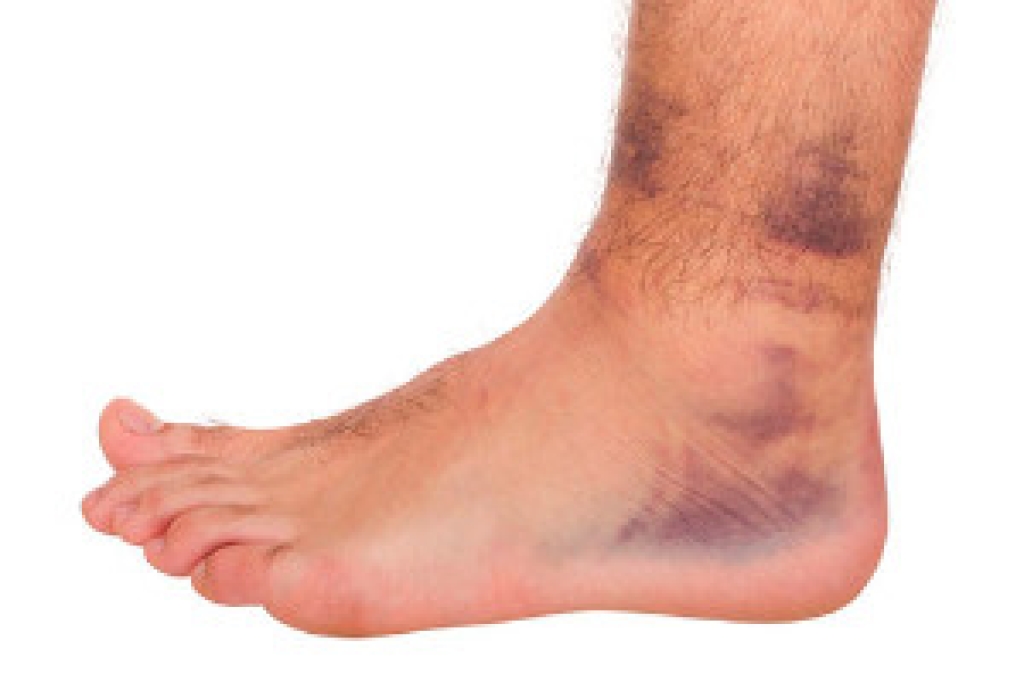
  • Bruising of the area
  • Area appears to be deformed

If you suspect an ankle fracture, it is recommended to seek treatment as soon as possible. The sooner you have your podiatrist diagnose the fracture, the quicker you’ll be on the way towards recovery.

If you have any questions, please feel free to contact one of our offices located in Richfield and Ephraim, Utah . We offer the newest diagnostic and treatment technologies for all your foot care needs.

Read more about All About Broken Ankle

Safer Footwear Can Lower the Risk of Falling

Falls can cause serious injuries and threaten an older adult’s independence. Foot pain, poor balance, and wearing poorly-fitting shoes can make a fall more likely. Shoes affect how securely the feet meet the ground. Loose shoes can slide or come off, while high heels can shift body weight forward. Smooth soles provide less grip on slick surfaces. Shoes that lack proper support can also reduce stability. Choosing appropriate shoes is therefore an important part of a complete falls-prevention plan.

A safer shoe should fit securely without pinching the toes or slipping at the heel. Laces, straps, or buckles help hold the foot in place. A wide, low heel provides a steadier base than a narrow or raised heel. The sole should have good traction and enough contact with the ground. Lightweight shoes can make it easier to lift the feet and avoid catching a toe. Patients should replace shoes with badly worn tread or uneven soles. Slippers, backless shoes, and socks without shoes can increase the chance of slipping. Even a well-designed shoe can create problems when it is the wrong size, so both feet should be measured because their size can differ.

A podiatrist can examine the feet for problems that interfere with safe movement. The evaluation includes checking strength, joint motion, and sensation. The podiatrist can also watch how a patient stands and walks to identify changes that affect balance. Treatment can reduce pain from corns, thick nails, or arthritis. Custom orthotics can improve support and help distribute pressure more evenly inside the shoes. A podiatrist can recommend shoe features based on the patient’s foot shape, health needs, and activity level. Regular foot examinations can detect changes that make walking less secure. Addressing these concerns can support mobility, confidence, and independence. If you have injured your foot or ankle from falling, it is suggested that you schedule an appointment with a podiatrist for relief and treatment solutions.

Preventing falls among the elderly is very important. If you are older and have fallen or fear that you are prone to falling, consult with Dr. Blake Zobell from Utah. Our doctor will assess your condition and provide you with quality advice and care.

Every 11 seconds, an elderly American is being treated in an emergency room for a fall related injury. Falls are the leading cause of head and hip injuries for those 65 and older. Due to decreases in strength, balance, senses, and lack of awareness, elderly persons are very susceptible to falling. Thankfully, there are a number of things older persons can do to prevent falls.

How to Prevent Falls

Some effective methods that older persons can do to prevent falls include:

  • Enrolling in strength and balance exercise program to increase balance and strength
  • Periodically having your sight and hearing checked
  • Discuss any medications you have with a doctor to see if it increases the risk of falling
  • Clearing the house of falling hazards and installing devices like grab bars and railings
  • Utilizing a walker or cane
  • Wearing shoes that provide good support and cushioning
  • Talking to family members about falling and increasing awareness

Falling can be a traumatic and embarrassing experience for elderly persons; this can make them less willing to leave the house, and less willing to talk to someone about their fears of falling. Doing such things, however, will increase the likelihood of tripping or losing one’s balance. Knowing the causes of falling and how to prevent them is the best way to mitigate the risk of serious injury.  

If you have any questions, please feel free to contact one of our offices located in Richfield and Ephraim, Utah . We offer the newest diagnostic and treatment technologies for all your foot care needs.
Read more about Falls Prevention

Causes of Achilles Tendon Injuries

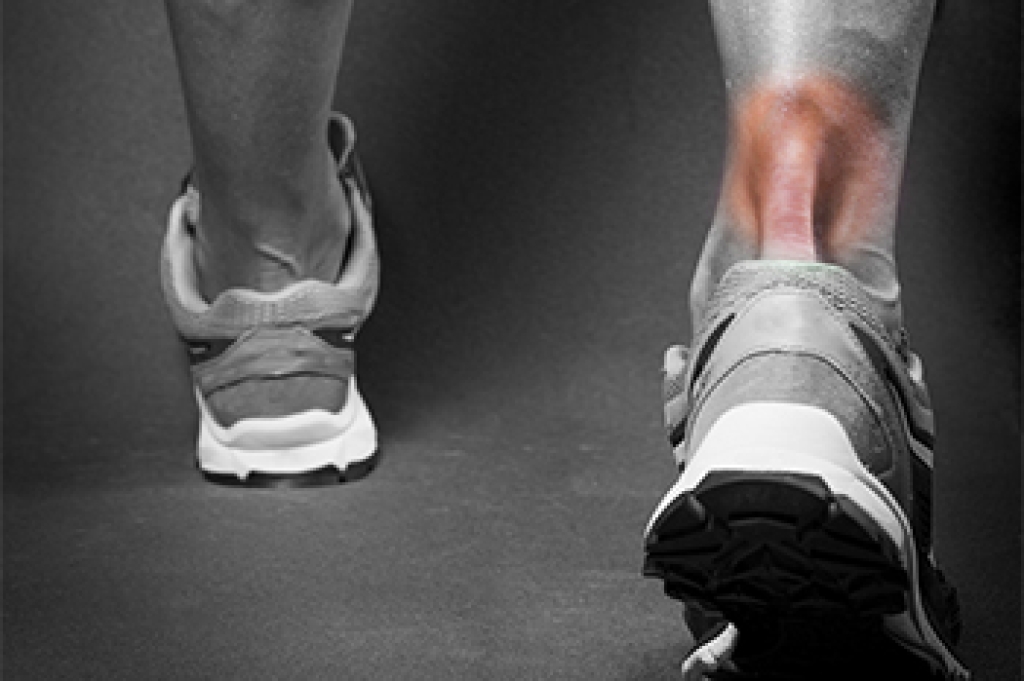
The Achilles tendon is the thick band of tissue connecting the calf muscles to the heel bone. It is the strongest tendon in the human body and helps the foot push off during walking, running, and jumping. An Achilles tendon injury occurs when this tendon becomes irritated, partially torn, or completely ruptured. Symptoms may include pain near the heel, swelling, and weakness when pushing off. Some injuries develop gradually, while others happen suddenly during physical activity.

Common causes include repeated athletic stress, sudden increases in exercise, and forceful movements, such as jumping or sprinting. Risk factors include limited flexibility, previous Achilles problems, and activities that place repeated strain on the tendon. Age can also affect tendon resilience. Achilles tendon injuries may range from mild tendinitis or tendinopathy to partial tears and complete ruptures. Recognizing symptoms early can help prevent worsening damage.


Healing depends on the severity of the injury and how well the tendon is protected during recovery. A podiatrist begins by examining the heel and ankle, checking strength, range of motion, and walking ability. Imaging tests may be recommended when a tear or rupture is suspected. Treatment may include activity modification, wearing supportive footwear, or immobilization. Severe injuries may require surgical evaluation. Follow-up visits help monitor tendon healing and guide gradual increases in activity.


Recovery should progress carefully because returning to sports too soon can place excessive stress on healing tissue. A podiatrist may recommend stretching, strengthening, and balance exercises as recovery advances. Patients should follow activity restrictions and avoid movements that increase pain. With appropriate care, many Achilles tendon injuries can improve, although healing time varies considerably. If you have an Achilles tendon injury, it is suggested that you consult a podiatrist for effective relief and treatment solutions. 

Achilles tendon injuries need immediate attention to avoid future complications. If you have any concerns, contact Dr. Blake Zobell of Utah. Our doctor can provide the care you need to keep you pain-free and on your feet.

What Is the Achilles Tendon?

The Achilles tendon is a tendon that connects the lower leg muscles and calf to the heel of the foot. It is the strongest tendon in the human body and is essential for making movement possible. Because this tendon is such an integral part of the body, any injuries to it can create immense difficulties and should immediately be presented to a doctor.

What Are the Symptoms of an Achilles Tendon Injury?

There are various types of injuries that can affect the Achilles tendon. The two most common injuries are Achilles tendinitis and ruptures of the tendon.

Achilles Tendinitis Symptoms

  • Inflammation
  • Dull to severe pain
  • Increased blood flow to the tendon
  • Thickening of the tendon

Rupture Symptoms

  • Extreme pain and swelling in the foot
  • Total immobility

Treatment and Prevention

Achilles tendon injuries are diagnosed by a thorough physical evaluation, which can include an MRI. Treatment involves rest, physical therapy, and in some cases, surgery. However, various preventative measures can be taken to avoid these injuries, such as:

  • Thorough stretching of the tendon before and after exercise
  • Strengthening exercises like calf raises, squats, leg curls, leg extensions, leg raises, lunges, and leg presses

If you have any questions please feel free to contact one of our offices located in Richfield and Ephraim, Utah . We offer the newest diagnostic tools and technology to treat your foot and ankle needs.

Read more about Achilles Tendon Injuries

Causes and Types of Ankle Pain During Sporting Activity

Ankle pain during sports events can affect athletes of all skill levels. It occurs when the structures that support the ankle, including muscles, tendons, ligaments, and bones, experience excessive stress or injury. Sports that involve jumping, quick movements, and sudden changes in direction place additional pressure on the ankle joint. Common causes include strains, tendinitis, and stress fractures. Understanding the definition and causes of sports-related ankle pain can help athletes recognize symptoms early and take steps to protect their feet and ankles.

Symptoms of ankle injuries may include pain, swelling, and stiffness. Bruising and difficulty putting weight on the affected foot may also occur. Some athletes may experience weakness, a reduced range of motion, or discomfort during specific movements. Strains occur when muscles or tendons are overstretched or torn, while tendinitis develops when a tendon becomes irritated from repetitive stress. Stress fractures are small cracks in the bone caused by repeated impact. These injuries can worsen if ignored and may interfere with athletic performance.


Risk factors for ankle pain include participating in high-impact sports, previous injuries, improper footwear, and inadequate conditioning. Basketball and volleyball players are at increased risk because jumping and landing place significant stress on the ankles. Running sports and activities involving repeated impact can also contribute to overuse injuries. Poor flexibility, weak supporting muscles, and sudden increases in training intensity may further increase the likelihood of developing ankle problems.


Preventing ankle pain requires proper preparation and care. Warming up before activity helps prepare muscles and joints for movement, while stretching improves flexibility and reduces strain. Wearing supportive athletic shoes and using proper techniques during jumping and landing can also reduce injury risk. Strengthening the ankle and lower-leg muscles provides additional stability. If you have ankle pain related to sports activity, it is suggested that you consult a podiatrist for an accurate diagnosis and appropriate treatment.

Ankle and foot injuries are common among athletes and in many sports. They can be caused by several problems and may be potentially serious. If you are feeling pain or think you were injured in a sporting event or when exercising, consult with Dr. Blake Zobell from Utah. Our doctor will assess your condition and provide you with quality foot and ankle treatment.

Common Injuries

The most common injuries that occur in sporting activities include:

  • Achilles Tendonitis
  • Achilles Tendon Rupture
  • Ankle Sprains
  • Broken Foot
  • Plantar Fasciitis
  • Stress Fractures
  • Turf Toe

Symptoms

Symptoms vary depending upon the injury and in some cases, there may be no symptoms at all. However, in most cases, some form of symptom is experienced. Pain, aching, burning, bruising, tenderness, tightness or stiffness, sensation loss, difficulty moving, and swelling are the most common symptoms.

Treatment

Just as symptoms vary depending upon the injury, so do treatment options. A common treatment method is known as the RICE method. This method involves rest, applying ice, compression and elevating the afflicted foot or ankle. If the injury appears to be more serious, surgery might be required, such as arthroscopic or reconstructive surgery. Lastly, rehabilitation or therapy might be needed to gain full functionality in the afflicted area. Any discomfort experienced by an athlete must be evaluated by a licensed, reputable medical professional.  

If you have any questions please contact one of our offices located in Richfield and Ephraim, Utah . We offer the newest diagnostic and treatment technologies for all your foot and ankle needs.

Read more about Sports Related Foot And Ankle Injuries

Reminder: When Was the Last Time...?

Custom orthotics, or shoe inserts, should be periodically replaced. Orthotics must fit properly to give you the best results. Protect your feet and ankles!

Connect with us