Richfield (435) 896-6497
Ephraim (435) 283-4076

Like us on facebook
Follow us on twitter
Review us on google

Blog

How Rheumatoid Arthritis Affects the Feet and Ankles

Rheumatoid arthritis is an autoimmune disease that can affect many joints throughout the body, including the feet and ankles. This occurs when the immune system mistakenly attacks healthy tissues, causing inflammation inside the joints. Because the feet contain many small joints that work together with every step, rheumatoid arthritis can make walking and standing increasingly difficult. Ongoing inflammation may damage cartilage, weaken surrounding tissues, and change the shape of the foot. Some people notice symptoms in the feet before other joints become affected. Since early treatment can help reduce joint damage and preserve mobility, a professional evaluation is important when foot pain or stiffness develops without an obvious cause.


Foot symptoms vary from person to person and may change as the disease progresses. Many people experience pain, swelling, or stiffness in the toes or the ball of the foot. Others notice warmth around the joints or tenderness that makes wearing shoes uncomfortable. Morning stiffness may last longer than expected and improve gradually as the joints begin moving. As rheumatoid arthritis advances, changes in joint alignment may affect balance, walking, and overall foot function. Persistent inflammation can also increase pressure on certain areas of the foot, leading to additional discomfort during daily activities. Identifying rheumatoid arthritis early may help protect the joints and improve long-term foot health.


A podiatrist plays an important role in managing the foot problems associated with rheumatoid arthritis. During an examination, the podiatrist evaluates joint function, foot structure, and walking mechanics to determine how the disease is affecting mobility. Treatment focuses on relieving pain, improving foot function, and helping reduce stress on the affected joints. A podiatrist may also work closely with your primary care provider or rheumatologist to support comprehensive care. Regular podiatry visits can help monitor changes in the feet and identify problems before they become more severe. If you are experiencing foot pain, swelling, or stiffness related to rheumatoid arthritis, it is suggested that you consult a podiatrist for an evaluation and appropriate treatment options.

Because RA affects more than just your joints, including the joints in your feet and ankles, it is important to seek early diagnosis from your podiatrist if you feel like the pain in your feet might be caused by RA. For more information, contact Dr. Blake Zobell of Utah. Our doctor will assist you with all of your podiatric concerns.

What Is Rheumatoid Arthritis?

Rheumatoid Arthritis (RA) is an autoimmune disorder in which the body’s own immune system attacks the membranes surrounding the joints. Inflammation of the lining and eventually the destruction of the joint’s cartilage and bone occur, causing severe pain and immobility.

Rheumatoid Arthritis of the Feet

Although RA usually attacks multiple bones and joints throughout the entire body, almost 90 percent of cases result in pain in the foot or ankle area.

Symptoms

  • Swelling and pain in the feet
  • Stiffness in the feet
  • Pain on the ball or sole of feet
  • Joint shift and deformation

Diagnosis

Quick diagnosis of RA in the feet is important so that the podiatrist can treat the area effectively. Your doctor will ask you about your medical history, occupation, and lifestyle to determine the origin of the condition. Rheumatoid Factor tests help to determine if someone is affected by the disease.

If you have any questions, please feel free to contact one of our offices located in Richfield and Ephraim, Utah . We offer the newest diagnostic and treatment technologies for all your foot care needs.

Read more about Rheumatoid Arthritis in the Feet

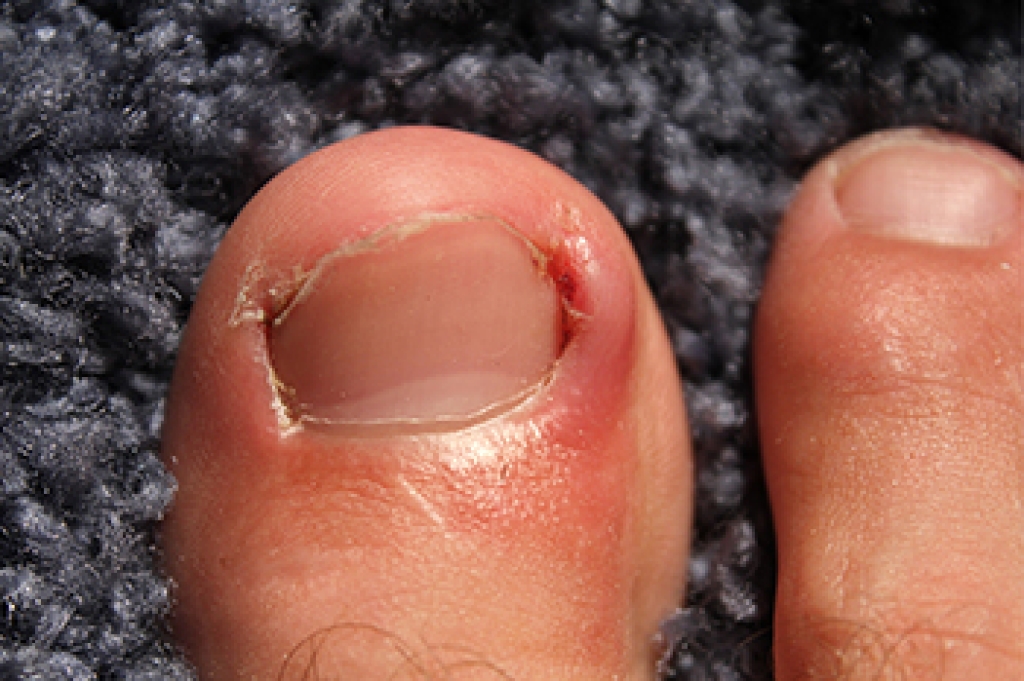
Why Ingrown Toenails Become Painful

Ingrown toenails develop when the edge of a toenail grows into the surrounding skin instead of over it. The problem usually affects the big toe and can become painful as the nail presses deeper into the skin. Redness, swelling, and tenderness frequently appear along the side of the nail. As the condition worsens, drainage or signs of infection can develop. Several factors increase the risk of an ingrown toenail, including trimming the nails too short, toe injuries, and wearing shoes that squeeze the toes together. Some people are also born with nails that naturally curve more than usual, making ingrown toenails more likely.

A podiatrist can determine how deeply the nail has grown into the skin and whether an infection is present. During the examination, the podiatrist checks the nail, the surrounding skin, and the overall health of the foot. Patients with diabetes, poor circulation, or reduced feeling in their feet should seek prompt care because even a small nail problem can become more serious. When an infection is present, the podiatrist develops a treatment plan to control the infection while addressing the ingrown nail. This approach helps relieve pain and supports healthy healing.

Treatment depends on the severity of the ingrown toenail. A podiatrist can carefully remove the part of the nail that is growing into the skin. For patients with repeated ingrown toenails, a simple office procedure can remove part of the nail and treat the nail root to reduce the chance of the problem returning. In severe cases, more of the nail is removed to restore comfort and protect the toe. A podiatrist can also recommend shoes that provide proper support and enough room for the toes to reduce pressure on the affected nail. If you have symptoms of an ingrown toenail, it is suggested that you schedule an appointment with a podiatrist for diagnosis and appropriate treatment, which may include minor surgery.

Ingrown toenails may initially present themselves as a minor discomfort, but they may progress into an infection in the skin without proper treatment. For more information about ingrown toenails, contact Dr. Blake Zobell of Utah. Our doctor can provide the care you need to keep you pain-free and on your feet.

Ingrown Toenails

Ingrown toenails are caused when the corner or side of a toenail grows into the soft flesh surrounding it. They often result in redness, swelling, pain, and in some cases, infection. This condition typically affects the big toe and may recur if it is not treated properly.

Causes

  • Improper toenail trimming
  • Genetics
  • Improper shoe fitting
  • Injury from pedicures or nail picking
  • Abnormal gait
  • Poor hygiene

You are more likely to develop an ingrown toenail if you are obese, have diabetes, arthritis, or have any fungal infection in your nails. Additionally, people who have foot or toe deformities are at a higher risk of developing an ingrown toenail.

Symptoms

Some symptoms of ingrown toenails are redness, swelling, and pain. In rare cases, there may be a yellowish drainage coming from the nail.

Treatment

Ignoring an ingrown toenail can have serious complications. Infections of the nail border can progress to a deeper soft-tissue infection, which can then turn into a bone infection. You should always speak with your podiatrist if you suspect you have an ingrown toenail, especially if you have diabetes or poor circulation.

If you have any questions, please feel free to contact one of our offices located in Richfield and Ephraim, Utah . We offer the newest diagnostic and treatment technologies for all your foot care needs.
Read more about Ingrown Toenail Care

Nighttime Foot Pain and What It Could Mean

Foot pain that becomes worse at night can be frustrating and disruptive. Aching, burning, or throbbing pain can make it difficult to fall asleep or stay asleep. Nighttime foot pain can develop from conditions that affect the bones, joints, nerves, or soft tissues of the feet. One common cause is plantar fasciitis, which is irritation of a band of tissue that supports the arch. Although plantar fasciitis is known for causing pain with the first steps in the morning, some people also notice discomfort when resting at night. Arthritis can also lead to aching pain and stiffness after a day of activity. Foot pain at night can be linked to inflammation that becomes more noticeable when the body is at rest.

Nerve-related problems are another possible source of nighttime foot pain. Nerves that become compressed or irritated can produce burning, tingling, or shooting sensations. Peripheral neuropathy, a condition that involves damaged nerves, can also cause discomfort that feels stronger in the evening hours. Diabetes is one of the leading causes of this type of nerve damage. Other foot conditions associated with nighttime pain include bunions, Morton’s neuroma, and tendon injuries. Morton’s neuroma develops when a nerve between the toes becomes irritated, leading to burning pain and numbness. A podiatrist can determine the cause of pain through a physical examination, a review of medical history, and X-rays or other imaging studies, when necessary.

Because nighttime foot pain has many possible causes, obtaining an accurate diagnosis is important. Once the podiatrist identifies the source of the problem, treatment options follow. Included are custom orthotics, medication, or other medical therapies designed to reduce pain and improve foot function. Early evaluation can also help detect underlying health conditions that contribute to ongoing discomfort. Addressing the problem promptly can improve sleep quality and help patients return to normal daily activities with greater comfort. If you have foot pain at night, it is suggested that you schedule an appointment with a podiatrist for an exam and appropriate treatment.

Foot Pain

Foot pain can be extremely painful and debilitating. If you have a foot pain, consult with Dr. Blake Zobell from Utah. Our doctor will assess your condition and provide you with quality foot and ankle treatment.

Causes

Foot pain is a very broad condition that could be caused by one or more ailments. The most common include:

  • Bunions
  • Hammertoes
  • Plantar Fasciitis
  • Bone Spurs
  • Corns
  • Tarsal Tunnel Syndrome
  • Ingrown Toenails
  • Arthritis (such as Gout, Rheumatoid, and Osteoarthritis)
  • Flat Feet
  • Injury (from stress fractures, broken toe, foot, ankle, Achilles tendon ruptures, and sprains)
  • And more

Diagnosis

To figure out the cause of foot pain, podiatrists utilize several different methods. This can range from simple visual inspections and sensation tests to X-rays and MRI scans. Prior medical history, family medical history, and any recent physical traumatic events will all be taken into consideration for a proper diagnosis.

Treatment

Treatment depends upon the cause of the foot pain. Whether it is resting, staying off the foot, or having surgery; podiatrists have a number of treatment options available for foot pain.

If you have any questions, please feel free to contact one of our offices located in Richfield and Ephraim, Utah . We offer the newest diagnostic and treatment technologies for all your foot care needs.

Read more about Foot Pain

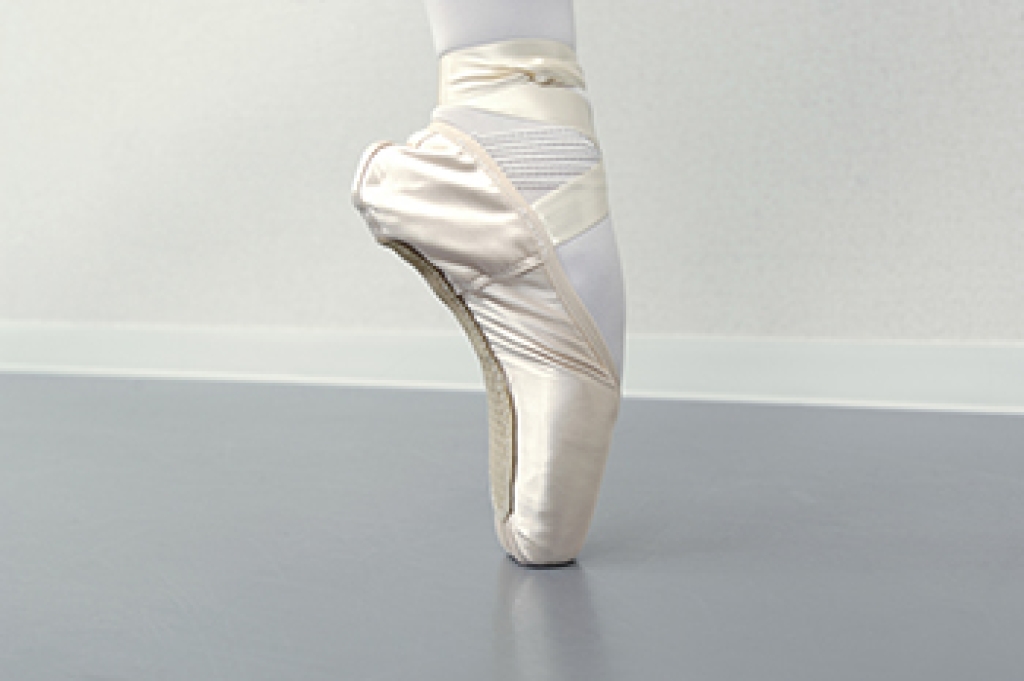
Ballet Foot Structure and Ideal Shape

Ballet dancers rely on precise foot biomechanics to perform controlled and graceful movements. The foot is a highly specialized structure made up of interconnected bones that work together to provide stability and flexibility. During dance, the foot must transition between flat positions and elevated positions while maintaining balance. This requires strong coordination between the arch, toes, and supporting muscles. A clear understanding of how these elements function together helps dancers optimize performance and reduce the risk of injury.

The symptoms of poor foot biomechanics in ballet may include pain, fatigue, and instability during movement. Dancers may notice difficulty maintaining balance or achieving proper alignment in positions. The arch may collapse under pressure, or the toes may not distribute weight evenly. These issues can lead to discomfort and increase the likelihood of overuse injuries. Early recognition of these signs allows for corrective strategies that support better movement patterns.


Certain risk factors can affect how the foot performs in ballet. Foot shape, muscle strength, and joint flexibility all play a role. A medium arch provides an effective balance between mobility and support, which is ideal for most dancers. A square foot shape with straight toes helps create even pressure distribution, especially when working in pointe shoes. However, dancers with different foot types can still perform well with proper conditioning and technique. Identifying individual risk factors helps guide personalized care.


The causes of foot strain in ballet are often related to repetitive loading and mechanical imbalance. When the bones and joints do not work together efficiently, stress can build up in certain areas, leading to injury. Preventive measures include strengthening exercises, proper warm up routines, and wearing supportive footwear. Consistent care and technique refinement are essential for long term success in dance. If you have endured a foot or ankle injury while engaged in ballet dancing, it is suggested you consult a podiatrist for an accurate diagnosis and appropriate treatment.

If you have any concerns about your feet, contact Dr. Blake Zobell from Utah. Our doctor can provide the care you need to keep you pain-free and on your feet.

Biomechanics in Podiatry

Podiatric biomechanics is a particular sector of specialty podiatry with licensed practitioners who are trained to diagnose and treat conditions affecting the foot, ankle and lower leg. Biomechanics deals with the forces that act against the body, causing an interference with the biological structures. It focuses on the movement of the ankle, the foot and the forces that interact with them.

A History of Biomechanics

  • Biomechanics dates back to the BC era in Egypt where evidence of professional foot care has been recorded.
  • In 1974, biomechanics gained a higher profile from the studies of Merton Root, who claimed that by changing or controlling the forces between the ankle and the foot, corrections or conditions could be implemented to gain strength and coordination in the area.

Modern technological improvements are based on past theories and therapeutic processes that provide a better understanding of podiatric concepts for biomechanics. Computers can provide accurate information about the forces and patterns of the feet and lower legs.

Understanding biomechanics of the feet can help improve and eliminate pain, stopping further stress to the foot.

If you have any questions please feel free to contact one of our offices located in Richfield and Ephraim, Utah . We offer the newest diagnostic and treatment technologies for all your foot and ankle needs.

Read more about The Importance of Biomechanics in Podiatry
Connect with us