Richfield (435) 896-6497
Ephraim (435) 283-4076

Like us on facebook
Follow us on twitter
Review us on google

Blog

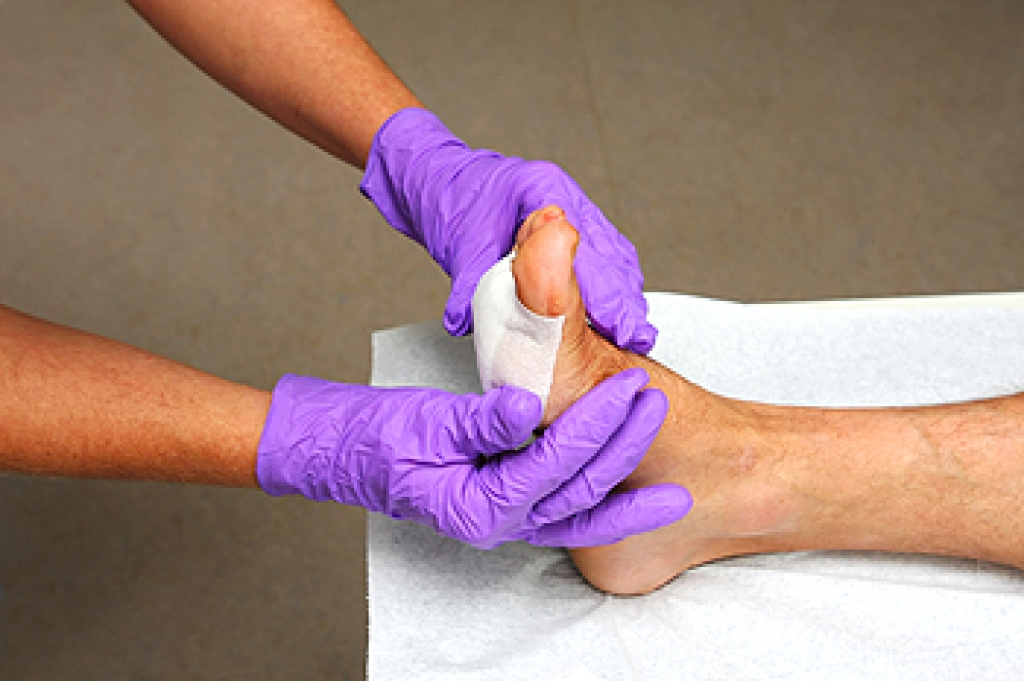
Healing Support for Chronic Foot Wounds

Management of chronic foot wounds requires careful evaluation and steady, consistent care to support healing. These wounds may include diabetic ulcers, pressure injuries, venous ulcers, and traumatic wounds that struggle to close on their own. A podiatrist uses the TIME principle to guide treatment. This approach focuses on tissue debridement to remove nonviable tissue, infection control to protect surrounding skin, moisture balance to create a healthy environment, and attention to the edges of the wound to encourage new growth. Advanced dressings, offloading techniques, and, in some cases, regenerative therapies can further support recovery. Early intervention is essential because chronic wounds can progress quickly and lead to serious complications. If you notice slow healing, increasing redness, drainage, or pain, it is suggested that you visit a podiatrist for a thorough assessment and a personalized treatment plan.

Wound care is an important part in dealing with diabetes. If you have diabetes and a foot wound or would like more information about wound care for diabetics, consult with Dr. Blake Zobell from Utah. Our doctor will assess your condition and provide you with quality foot and ankle treatment.

What Is Wound Care?

Wound care is the practice of taking proper care of a wound. This can range from the smallest to the largest of wounds. While everyone can benefit from proper wound care, it is much more important for diabetics. Diabetics often suffer from poor blood circulation which causes wounds to heal much slower than they would in a non-diabetic. 

What Is the Importance of Wound Care?

While it may not seem apparent with small ulcers on the foot, for diabetics, any size ulcer can become infected. Diabetics often also suffer from neuropathy, or nerve loss. This means they might not even feel when they have an ulcer on their foot. If the wound becomes severely infected, amputation may be necessary. Therefore, it is of the upmost importance to properly care for any and all foot wounds.

How to Care for Wounds

The best way to care for foot wounds is to prevent them. For diabetics, this means daily inspections of the feet for any signs of abnormalities or ulcers. It is also recommended to see a podiatrist several times a year for a foot inspection. If you do have an ulcer, run the wound under water to clear dirt from the wound; then apply antibiotic ointment to the wound and cover with a bandage. Bandages should be changed daily and keeping pressure off the wound is smart. It is advised to see a podiatrist, who can keep an eye on it.

If you have any questions please contact one of our offices located in Richfield and Ephraim, Utah . We offer the newest diagnostic and treatment technologies for all your foot and ankle needs.

Read more about Wound Care

What Is Diabetic Foot?

Diabetic foot refers to a group of foot problems that can develop in people with diabetes due to changes in circulation and nerve function. Causes include poor blood flow, nerve damage, and prolonged high blood sugar levels that affect healing and skin health. Symptoms may involve numbness, tingling, burning pain, or dry or cracked skin, in addition to color changes, slow healing wounds, or ulcers. Risk factors include long-term diabetes, poor glucose control, smoking, improper footwear, and a history of foot wounds or infections. Without proper care, diabetic foot problems can lead to serious complications. A podiatrist can help by providing regular foot exams, managing calluses and nail care, treating wounds, and recommending protective footwear or custom orthotics. If you have diabetes and have noticed changes in your feet, it is strongly suggested that you are under the care of a podiatrist who can help you to manage this serious condition.

Diabetic foot care is important in preventing foot ailments such as ulcers. If you are suffering from diabetes or have any other concerns about your feet, contact Dr. Blake Zobell from Utah. Our doctor can provide the care you need to keep you pain-free and on your feet.

Diabetic Foot Care

Diabetes affects millions of people every year. The condition can damage blood vessels in many parts of the body, especially the feet. Because of this, taking care of your feet is essential if you have diabetes, and having a podiatrist help monitor your foot health is highly recommended.

The Importance of Caring for Your Feet

  • Routinely inspect your feet for bruises or sores.
  • Wear socks that fit your feet comfortably.
  • Wear comfortable shoes that provide adequate support.

Patients with diabetes should have their doctor monitor their blood levels, as blood sugar levels play such a huge role in diabetic care. Monitoring these levels on a regular basis is highly advised.

It is always best to inform your healthcare professional of any concerns you may have regarding your feet, especially for diabetic patients. Early treatment and routine foot examinations are keys to maintaining proper health, especially because severe complications can arise if proper treatment is not applied.

If you have any questions, please feel free to contact one of our offices located in Richfield and Ephraim, Utah . We offer the newest diagnostic and treatment technologies for all your foot care needs.

Read more about Diabetic Foot Conditions

Flat Feet and Podiatric Care for Arch Support

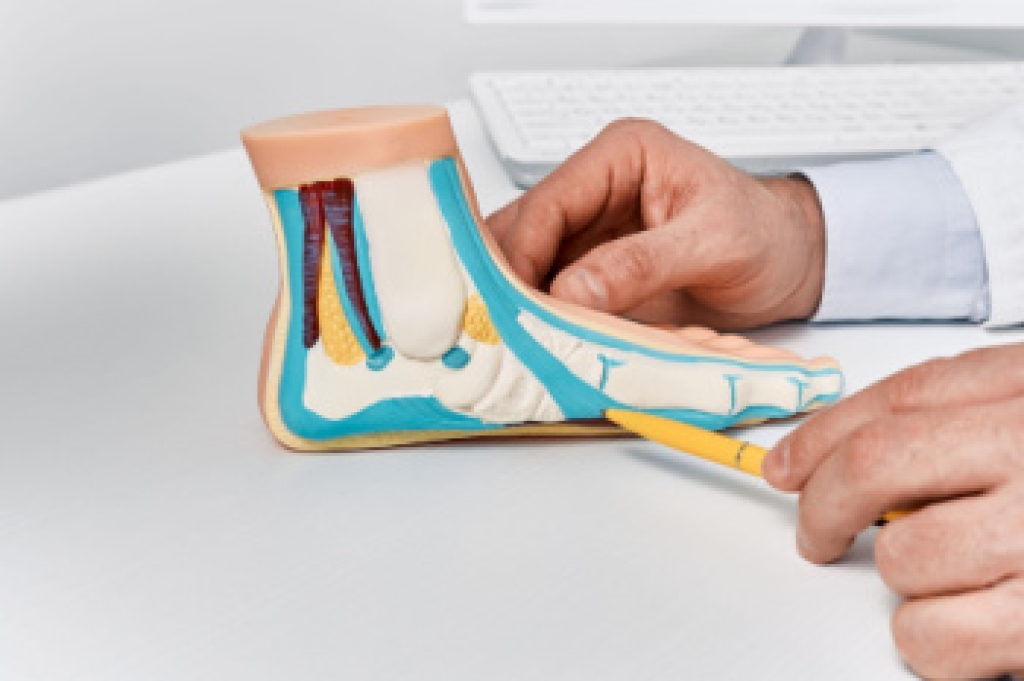
Flat feet, also known as fallen arches, occur when the arches of the feet collapse or fail to develop properly, causing the soles to make full contact with the ground. Symptoms include foot fatigue, aching in the arches or heels, ankle instability, swelling, and pain that can extend to the knees or lower back. Common causes include genetics, ligament laxity, injury, obesity, aging, or conditions that weaken the foot structures. Flat feet may also develop over time from prolonged standing or wearing improper footwear. A podiatrist can help by evaluating foot alignment and gait, providing custom orthotics, recommending supportive shoes, and creating a treatment plan to reduce pain and improve function. If you have flat feet and are experiencing foot pain or fatigue, it is suggested that you consult a podiatrist who can offer effective relief and management tips.

Flatfoot is a condition many people suffer from. If you have flat feet, contact Dr. Blake Zobell from Utah. Our doctor will treat your foot and ankle needs.

What Are Flat Feet?

Flatfoot is a condition in which the arch of the foot is depressed and the sole of the foot is almost completely in contact with the ground. About 20-30% of the population generally has flat feet because their arches never formed during growth.

Conditions & Problems:

Having flat feet makes it difficult to run or walk because of the stress placed on the ankles.

Alignment – The general alignment of your legs can be disrupted, because the ankles move inward which can cause major discomfort.

Knees – If you have complications with your knees, flat feet can be a contributor to arthritis in that area.  

Symptoms

  • Pain around the heel or arch area
  • Trouble standing on the tip toe
  • Swelling around the inside of the ankle
  • Flat look to one or both feet
  • Having your shoes feel uneven when worn

Treatment

If you are experiencing pain and stress on the foot you may weaken the posterior tibial tendon, which runs around the inside of the ankle. 

If you have any questions, please feel free to contact one of our offices located in Richfield and Ephraim, Utah . We offer the newest diagnostic and treatment technologies for all your foot care needs.

Read more about What is Flexible Flat Foot?

Do Your Child's Feet Hurt?

Have your child's feet been examined lately? Healthy feet are happy feet. If your child is complaining of foot pain, it may be a sign of underlying problems.

Stepping Through the Ache

Ankle pain can quietly interfere with daily life, whether it starts as swelling after a long walk or stiffness that greets you first thing in the morning. The ankle may appear puffy, warm, or mildly red, and it can feel sore, tight, or unstable when standing or moving. Common causes include overuse, sprains, arthritis-related joint inflammation, or footwear that does not properly support the ankle. A podiatrist begins with a thorough medical history and physical examination and may use imaging studies to confirm the diagnosis and rule out fractures, arthritis changes, or tendon injuries. Treatment is individualized and may include strengthening exercises, supportive braces or custom orthotics, and anti-inflammatory approaches to reduce pain and swelling. With appropriate care, many people regain comfort and confidence in their steps. Addressing ankle pain early can help prevent chronic problems and preserve mobility. If you are experiencing ankle pain, scheduling an appointment with a podiatrist is suggested for personalized care and long-term relief.

Ankle pain can have many different causes and the pain may potentially be serious. If you have ankle pain, consult with Dr. Blake Zobell from Utah. Our doctor will assess your condition and provide you with quality foot and ankle treatment.

Ankle pain is any condition that causes pain in the ankle. Due to the fact that the ankle consists of tendons, muscles, bones, and ligaments, ankle pain can come from a number of different conditions.

Causes

The most common causes of ankle pain include:

  • Types of arthritis (rheumatoid, osteoarthritis, and gout)
  • Ankle sprains
  • Broken ankles
  • Achilles tendinitis
  • Achilles tendon rupture
  • Stress fractures
  • Tarsal tunnel syndrome
  • Plantar fasciitis

Symptoms

Symptoms of ankle injury vary based upon the condition. Pain may include general pain and discomfort, swelling, aching, redness, bruising, burning or stabbing sensations, and/or loss of sensation.

Diagnosis

Due to the wide variety of potential causes of ankle pain, podiatrists will utilize a number of different methods to properly diagnose ankle pain. This can include asking for personal and family medical histories and of any recent injuries. Further diagnosis may include sensation tests, a physical examination, and potentially x-rays or other imaging tests.

Treatment

Just as the range of causes varies widely, so do treatments. Some more common treatments are rest, ice packs, keeping pressure off the foot, orthotics and braces, medication for inflammation and pain, and surgery.

If you have any questions please feel free to contact one of our offices located in Richfield and Ephraim, Utah . We offer the newest diagnostic tools and technology to treat your foot and ankle needs.

Read more about Ankle Pain
Connect with us